Colors, Chaos, and Celebration: Wandering Through Jaipur’s Festival Soul
You know that feeling when a city doesn’t just welcome you—but performs for you? That’s Jaipur during festival season. I stepped into this pink-hued dream not as a tourist, but as a wanderer, letting rhythm, color, and street energy guide me. From temple courtyards buzzing with devotion to alleys exploding in turmeric-drenched revelry, I discovered how festivals here aren’t events—they’re the heartbeat of daily life. This isn’t just sightseeing; it’s soul-deep immersion. Every hue on the wall, every chime from a temple bell, every burst of laughter from a rooftop—each is a note in a living symphony that has played for centuries. In Jaipur, celebration isn’t scheduled; it’s stitched into the fabric of existence.
The Pulse of Pink: Jaipur as a Living Canvas
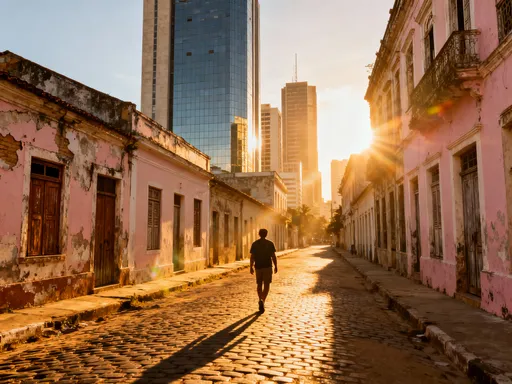
Jaipur, known as the Pink City, is more than a nickname—it is a declaration of identity. In 1876, the city was painted in terracotta pink to welcome Prince Albert, symbolizing hospitality. Over a century later, that hue endures, not as a relic but as a living pulse. The color wraps around forts, palaces, and homes, creating a visual harmony that feels both regal and intimate. As sunlight strikes the walls of the City Palace or the sloping ramparts of Nahargarh Fort, the stone seems to glow from within, like embers stoked by the desert wind. This is not a city preserved behind glass; it breathes, evolves, and celebrates—often all at once.
Walking through the old city, especially in the labyrinthine lanes near Johari Bazaar, is an act of sensory surrender. The air carries the scent of sandalwood, frying jalebis, and fresh marigolds. Shopfronts spill over with textiles in saffron, emerald, and peacock blue. Street vendors call out in melodic rhythms, their voices weaving through the clang of bicycle bells and the distant beat of dhol drums. The city’s grid layout, designed by Maharaja Jai Singh II with principles of Vastu Shastra, wasn’t just an architectural feat—it was a stage set for community life. Public squares like Chandni Chowk and Tripolia Bazaar naturally gather crowds, making them ideal backdrops for festivals that spill from temples into the streets.
What makes Jaipur unique is how seamlessly its heritage structures integrate into modern celebration. Hawa Mahal, with its honeycombed windows, isn’t just a photo stop—it becomes a vantage point during processions, where women lean out in embroidered finery, tossing petals below. The same courtyards of Amber Fort that once hosted royal councils now echo with devotional songs during Navratri. This continuity—between past and present, sacred and social—is what gives Jaipur’s festivals their depth. The city doesn’t reenact tradition; it lives it, every day, in color and sound.
Diwali in the Desert: When Light Defies Darkness
When Diwali arrives, Jaipur transforms into a constellation of light. Across India, the Festival of Lights marks the victory of good over evil and knowledge over ignorance, but in Rajasthan, it carries an added resonance—of hope in the arid landscape, of warmth in the cooling desert nights. In the days leading up to Diwali, the city readies itself with a quiet intensity. Homes are scrubbed, doorways adorned with rangoli made from colored rice and flower petals, and markets overflow with marigold garlands that drape every stall like golden veils.
At dusk, the shift is magical. Thousands of earthen diyas flicker to life—on windowsills, balconies, temple steps, and the edges of rooftops. The glow reflects off Jaipur’s pink walls, turning entire neighborhoods into soft, pulsing lanterns. In the old city, streets narrow and rise, creating intimate corridors where light dances on stone. Families gather to exchange mithai—boxes of barfi, ladoo, and besan chakki—offering sweets as tokens of forgiveness and renewal. It is a time of reconciliation, of strengthening bonds, of welcoming abundance.
One of the most breathtaking sights is Diwali at Amber Fort. Perched on a hill, the fort becomes a cascade of illumination, with lights tracing its battlements and courtyards. Laser shows and artistic installations enhance the ancient architecture without overpowering it, turning history into theater. Nearby, Johari Bazaar—famous for its gemstones—becomes a glittering maze, where real and reflected light blur into one. Shopkeepers offer tea to passersby, and children dart through the crowds with sparklers, their laughter ringing against the night sky.
But Diwali in Jaipur is more than a visual spectacle. It is an economic and social reset. Artisans, small traders, and families see this as the beginning of a new financial cycle. Account books are closed, new ones opened with prayers. Lakshmi, the goddess of wealth, is invited into homes and shops with rituals that blend devotion and practical hope. For visitors, the lesson is clear: in Jaipur, prosperity is not just counted in rupees but measured in shared joy, in light offered freely to neighbors and strangers alike.
Holi on Steroids: The Madness of Color and Community
If Diwali is light, Holi is fire—uncontained, exuberant, and utterly democratic. In Jaipur, Holi is not a single day but a crescendo of celebration that begins with Holika Dahan, a ritual bonfire symbolizing the defeat of evil. Families gather around these fires, singing devotional songs and circling with offerings of coconuts and grains. The next morning, the city explodes in color. Streets once orderly become battlefields of joy, where everyone—children, elders, tourists—is fair game for a handful of gulal.
The energy is infectious. In neighborhoods like Brahampuri and Sanganer, entire blocks organize color fights accompanied by blaring music, drums, and dholak rhythms. People dance on rooftops, lean from balconies, and chase each other through alleys, their clothes soaked in pinks, greens, and yellows. Bhang, a traditional drink made from cannabis leaves and milk, is offered in clay cups at street corners—its consumption permitted during Holi as part of the festival’s spirit of abandon. Yet, even in this chaos, there is structure. Families prepare days in advance, soaking cotton clothes in water to help them absorb color, and applying mustard oil to hair and skin to ease cleanup.
What stands out is the inclusivity. Strangers embrace, elders join in the dance, and visitors are welcomed not as outsiders but as participants. There is a code, unspoken but understood: no aggression, no disrespect. Women are not targeted without consent, and private spaces are honored. Many temples and heritage sites remain closed during peak Holi hours to protect their structures, but community grounds and open streets become shared territories of celebration.
For families, especially mothers and daughters, Holi is also a day of preparation and care. Women gather to make gujiyas—sweet dumplings filled with khoya and nuts—sharing recipes and laughter. The festival, rooted in the legend of Prahlad and Holika, becomes a living story of protection, resilience, and renewal. In Jaipur, Holi doesn’t just mark the arrival of spring—it renews human connection, dissolving hierarchies in a cloud of colored powder.
Gangaur: A Quiet Power in Procession
After the frenzy of Holi, Gangaur offers a different rhythm—one of grace, devotion, and feminine strength. Celebrated primarily by women, this spring festival honors Gauri, a form of Parvati, the goddess of marital bliss and fertility. For 18 days, unmarried girls and married women worship clay idols of Gaur and Isar (Shiva), adorning them with jewelry, mirrors, and miniature clothes. Each evening, they sing traditional songs, passing down stories through melody and gesture.
The climax is the grand procession, when the idols are carried from homes to nearby lakes—most notably, from the City Palace to Man Sagar Lake. Women walk barefoot, dressed in vibrant ghagra cholis with mirror work that catches the sunlight. Their palms are painted with intricate mehndi, and their hair is adorned with jasmine and mogra flowers. The procession moves like a river of color and sound, accompanied by folk musicians playing the algoze (a double flute) and nagada drums. Men join as supporters, carrying umbrellas or water, but the focus remains on the women’s devotion.
Gangaur is often overlooked by travelers seeking spectacle, but it holds profound cultural meaning. In a region where tradition shapes daily life, this festival affirms the value of patience, loyalty, and spiritual strength. For married women, it is a prayer for their husbands’ well-being. For unmarried girls, it is a hope for a good match. Yet beyond these personal wishes, Gangaur celebrates womanhood itself—the quiet power that sustains families and communities.
Visitors are welcome to observe, but participation requires sensitivity. Photography should be discreet, and women should ask before taking close-up images. The best way to honor the moment is simply to witness—to stand quietly at the edge of the lake, feel the rhythm of the songs, and recognize the dignity in every step. In Gangaur, Jaipur reveals a softer, more intimate side—one that values stillness as much as celebration.
Teej: Monsoon’s Fiery Welcome
When the first monsoon clouds gather over the Aravalli Hills, Jaipur prepares for Teej—a festival that greets the rains with both reverence and revelry. Dedicated to Parvati’s reunion with Shiva, Teej is a time of fasting, prayer, and exuberant processions. Women observe nirjala vrat, a fast without food or water, as an act of devotion and strength. Yet, the mood is far from somber. The city erupts in green—temples are hung with fresh mango leaves, swings are hung from trees, and women dress in emerald and ruby-red saris.
The Teej procession is one of Jaipur’s most visually stunning events. Idols of Parvati and Shiva are placed on ornate palanquins, carried through the streets by priests and volunteers. Drummers march in formation, their rhythms syncing with the chants of “Gauri Shankar ki Jai!” Elephants, horses, and folk dancers join the parade, creating a moving tapestry of tradition. At key points, like near Tripolia Gate, the procession pauses as women offer flowers and sweets, breaking their fast with blessings.
Beneath the religious surface, Teej reflects Jaipur’s agrarian roots. The monsoon is not just a season—it is life. Crops depend on the rains, and the festival is, in part, a collective prayer for abundance. Even in the modern city, this connection remains. Families gather on rooftops to watch the rain, children play in puddles, and the scent of wet earth—petrichor—mixes with sandalwood and incense from nearby temples.
For visitors, Teej offers a chance to see Jaipur in transition. The heat of summer gives way to cool breezes, the landscape turns lush, and the city’s pace slows. It is a reminder that beyond the palaces and bazaars, Rajasthan’s culture is deeply tied to nature’s cycles. To experience Teej is to witness how faith and farming, devotion and dance, can coexist in a single, joyful rhythm.
Beyond the Big Four: Hidden Festive Rhythms
While Diwali, Holi, Gangaur, and Teej are the most prominent, Jaipur’s calendar is dotted with smaller, equally meaningful celebrations. These are the moments that reveal the city’s soul—not in grandeur, but in quiet continuity. Early each morning at temples like Galtaji or Galta Kund, the aarti ceremony begins with lamps, bells, and hymns, drawing locals into a daily rhythm of devotion. These rituals, though brief, are deeply felt—acts of gratitude that start the day with peace.
Seasonal fairs also offer authentic experiences. The craft mela at Ram Niwas Garden, often held during Makar Sankranti in January, showcases local artisans—block printers, blue pottery makers, and jewelry designers—selling their work directly to the public. Visitors can watch demonstrations, try their hand at printing, and support sustainable livelihoods. Similarly, the kite festival during Uttarayan sees families gathering on rooftops, flying kites in bright patterns, competing in friendly battles of string and skill.
For those planning a visit, timing is key. Many festivals follow the lunar calendar, so dates shift each year. Checking local event listings or consulting with heritage hotels can help travelers align their trips with lesser-known celebrations. Attending a temple anniversary, a neighborhood fair, or a wedding procession can offer richer insights than any guidebook.
Respectful observation is essential. Dress modestly, ask before photographing rituals, and accept invitations with gratitude. Buying from local vendors, rather than mass-produced souvenirs, supports the community. These small acts of mindfulness allow visitors to participate meaningfully, not just as spectators but as guests in a living tradition.
Wander, Don’t Plan: The Art of Festival Immersion
In an age of curated itineraries and打卡 tourism, Jaipur teaches a different way to travel—one of surrender and spontaneity. The most memorable moments often come unplanned: sipping masala chai with a temple priest during Navratri, joining a street dance after a wedding mehndi, or receiving a handful of sweets from a stranger during Diwali. These are not staged experiences; they are the natural overflow of a culture that celebrates life as a continuous act of giving.
Slowing down allows space for connection. Instead of rushing from Amber Fort to Hawa Mahal, consider lingering in a courtyard, watching children play with paper lanterns, or listening to an elder recount festival stories. A simple “Namaste” and a smile can open doors. Many families welcome visitors into their homes during festivals, offering food and sharing rituals. These moments of hospitality are not transactions—they are extensions of Rajasthan’s deep-rooted value of atithi devo bhava, the belief that the guest is equivalent to God.
Immersion doesn’t require fluency in language or tradition. It begins with presence—with eyes open, heart open, and expectations set aside. Let the colors stain your clothes. Let the drums move your feet. In Jaipur, you don’t need to understand every ritual to feel its power. You only need to be willing to step into the rhythm, to let the city carry you.
One evening, during Gangaur, I stood at the edge of Man Sagar Lake as the last idol was lowered into the water. The women sang softly, their voices blending with the lap of waves. A young girl turned to me, her face painted with saffron, and handed me a marigold. No words were exchanged. In that moment, I wasn’t a foreigner. I was simply part of the circle. That is the true magic of Jaipur—not its palaces, not its fame, but its ability to make every soul feel at home.
Festivals in Jaipur aren’t spectacles to view—they’re rhythms to join. To wander here is to dissolve into a culture where every season has a song, every street a stage. The real journey isn’t from place to place, but from observer to participant. Let the colors stain you. Let the drums move you. In Jaipur, celebration isn’t occasional—it’s eternal.