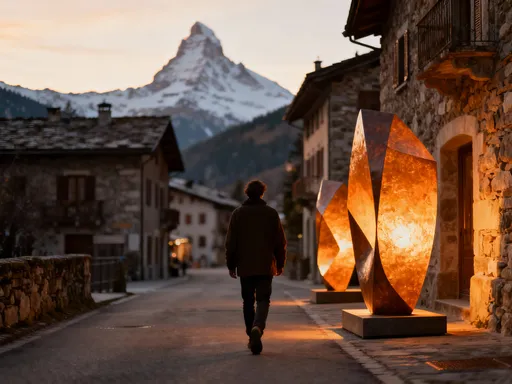
Wandering Through Time: Bern’s Hidden Street Stories Unfold
Bern, Switzerland, isn’t just the country’s quiet capital—it’s a living postcard. As I wandered its cobbled lanes, I realized this city isn’t about ticking landmarks; it’s about feeling history underfoot. From sunlit arcades to riverside alleys humming with local life, Bern’s true charm hides in plain sight. You don’t just visit its streets—you walk into a story centuries in the making. This is a city where time slows, not because it resists change, but because it embraces continuity. Every step reveals layers of tradition, craftsmanship, and thoughtful urban design that invite deep connection rather than passive observation.
The Heartbeat of Bern: Discovering the Old Town’s Rhythm
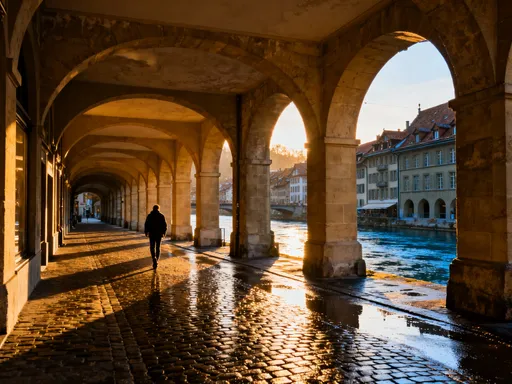
Bern’s Old Town, a UNESCO World Heritage site since 1983, stands as one of Europe’s best-preserved medieval city centers. Spanning over five kilometers of continuous arcaded walkways, its layout has changed little since the 12th century, when the city was founded by Duke Berchtold V. Unlike many historic districts that feel curated for tourists, Bern’s core remains deeply integrated into everyday life. Locals stroll beneath the Lauben—covered stone arcades that shield pedestrians from rain and snow—on their way to work, school, or errands. These covered passages, unique in scale and consistency, create a rhythm of movement that pulses through the city, rain or shine, summer or winter.
The sandstone buildings, glowing in warm golden hues at sunrise and dusk, reflect a uniformity born not of modern planning but of resilience. After fires devastated earlier wooden structures, Bern rebuilt in stone, establishing architectural continuity that persists today. What makes the Old Town so compelling is not merely its age, but how naturally it accommodates modern living. There are no velvet ropes separating residents from heritage. Children play near fountains, shopkeepers sweep sidewalks, and neighbors exchange greetings in German dialects that echo through centuries. The city does not perform history—it lives it.
Urban planners often study Bern as a model of human-scale design. With most of the Old Town closed to motorized traffic, the streets prioritize walking, cycling, and social interaction. This pedestrian-first philosophy enhances both safety and serenity. Even during peak tourist months, the atmosphere remains calm, unhurried. The absence of large buses or delivery trucks means sound levels stay low, allowing the subtle symphony of footsteps, distant church bells, and café chatter to define the acoustic landscape. This intentional quietness fosters mindfulness, encouraging visitors to slow down and absorb their surroundings.
Beyond the Clock Tower: Hidden Corners of the City Center
While the Zytglogge clock tower draws crowds with its animated chimes, some of Bern’s most meaningful moments unfold just steps away in quieter lanes. Gerechtigkeitsgasse, named after the 16th-century statue of Lady Justice atop its fountain, offers a more contemplative experience. The fountain itself—a painted stone figure blindfolded and balancing scales—is one of over a hundred ornate public fountains scattered throughout the city, each telling a different story from Bern’s past. These fountains were once essential water sources but now serve as artistic markers of civic pride and historical memory.
Further east, Kramgasse unfolds like a ribbon of discovery. Once a bustling trade route, it now hosts independent boutiques, artisan workshops, and family-run restaurants. Here, one might find a cobbler repairing shoes using century-old techniques, a bookbinder crafting leather journals by hand, or a chocolatier tempering fine Swiss cocoa in small batches. The facades retain their original painted murals—some faded, others restored—depicting mythological scenes, guild symbols, or historical events. These visual narratives transform the street into an open-air museum, where architecture and artistry converge.
Hidden behind unassuming doors are tranquil courtyards, remnants of monastic and civic buildings that once anchored community life. Many of these inner spaces remain accessible to the public, offering secluded spots for reflection or a quiet bench beneath a chestnut tree. In spring, wisteria spills over stone arches; in autumn, leaves drift silently onto cobblestones. These micro-environments provide contrast to the broader urban flow, reminding visitors that intimacy and grandeur can coexist within a single city block.
Crossing the Aare: How Bridges Shape the Urban Experience
The Aare River carves a deep emerald-green gorge through Bern, dividing the city into distinct yet interconnected realms. Crossing its span is not just a physical transition but a perceptual shift—one moves from the dense fabric of the Old Town to the softer contours of residential and natural areas. The Nydeggbrücke, completed in 1840, connects the eastern end of the Old Town to the Matte district. From its vantage point, the panorama unfolds dramatically: steep cliffs rise on either side, the river swirls below, and rooftops cascade toward the horizon. It’s a favorite spot for photography, but also for locals pausing mid-commute to take in the view.
Further upstream, the Untertorbrücke holds the distinction of being Bern’s oldest surviving bridge, dating back to the 15th century. Its stone arches have borne the weight of wagons, soldiers, and now cyclists and pedestrians. Unlike modern bridges designed solely for efficiency, this structure was built with both function and symbolism in mind. Historically, it marked the southern entrance to the city, guarded by gates and towers. Today, it serves as a quiet artery, linking the bustling Bundesplatz with the leafy Kirchenfeld neighborhood.
Each bridge offers a different relationship with the river. Some, like the modern Marzilibahn footbridge, provide smooth, level access to riverside parks. Others, like the Steinhofbrücke, are narrower and more intimate, encouraging slower passage. As one crosses, the sound of rushing water grows louder, the air cooler. These transitions reinforce Bern’s identity as a city shaped by water—its defense, its power source, and now its recreational heart. The bridges are not mere connectors; they are thresholds between worlds.
The Riverside Pulse: Walking the Banks of the Aare River
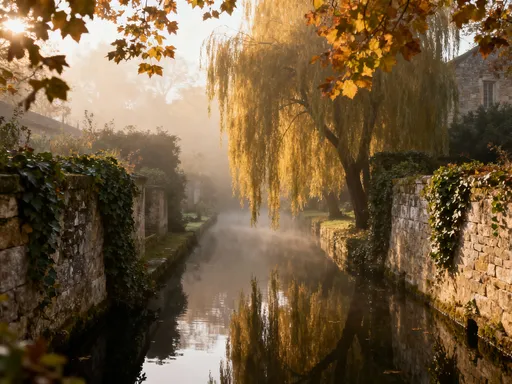
Along the banks of the Aare, Bern reveals another dimension—one of recreation, relaxation, and natural beauty. Early each morning, joggers trace the paved paths that follow the river’s curve. Cyclists glide past, families walk dogs, and students sit on rocks with books or laptops. In summer, the river becomes a playground. Locals tie dry bags to their backs, jump in upstream, and float for kilometers with the current, exiting at designated ladders near the Marzili district. This tradition, known locally as “Aareschwimmen,” is a beloved ritual that connects people to the city’s geography in a visceral way.
The Marzili Gardens, nestled at the river’s edge, offer terraced lawns and shaded groves perfect for picnics or afternoon naps. Once a site of public baths, the area has evolved into a green oasis within the urban core. Children splash in fountains, couples share ice cream, and retirees read newspapers under chestnut trees. The contrast between the wild, fast-moving river and the orderly city behind it is striking. While Bern’s streets reflect precision and planning, the Aare remains untamed, carving its path with timeless force.
Environmental stewardship plays a key role in maintaining this balance. The city invests in clean water initiatives, sustainable flood management, and habitat preservation along the riverbanks. Public education campaigns promote responsible use—no littering, no motorized boats, respect for nesting birds. As a result, the Aare remains one of the cleanest urban rivers in Europe, safe for swimming and rich in biodiversity. This commitment reflects a broader Swiss value: that nature and urban life need not compete, but can coexist in harmony.
Neighborhood Vibes: From Matte to Länggasse-Kirchenfeld
Just beyond the Old Town lies Matte, a historic district nestled along the river’s edge. Once home to millers, boatmen, and craftsmen, it retains a village-like atmosphere despite its proximity to the city center. Narrow alleys climb steeply between low-rise buildings, many with flower boxes and hand-painted signs. Artisan workshops line the streets—woodcarvers, potters, and weavers keeping traditional skills alive. The area feels grounded, authentic, untouched by commercialization. Residents know each other by name, and shop windows display locally made goods rather than mass-produced souvenirs.
To the west, Länggasse presents a different character—a blend of old and new. Long a working-class neighborhood, it has evolved into a hub of cultural diversity and creative energy. International restaurants, independent bookstores, and community art spaces thrive here. Yet, traditional bakeries still open at dawn, filling the air with the scent of fresh bread. The district’s church spire remains a landmark, anchoring the skyline. This mix of continuity and change illustrates how cities grow without losing their soul.
Kirchenfeld, on the opposite bank, offers elegance and tranquility. Lined with grand 19th-century villas and embassies, its wide avenues are shaded by linden and plane trees. The Kirchenfeld Promenade follows the river, offering panoramic views and peaceful walking routes. Home to the Einstein House—where the physicist lived during his time at the patent office—the area attracts those interested in intellectual history. Yet, it never feels aloof. Families stroll on weekends, students gather on benches, and dog walkers greet each other with quiet courtesy. Each neighborhood contributes a distinct tone to Bern’s symphony, proving that unity does not require uniformity.
Street Life in Motion: Cafés, Markets, and Everyday Encounters
Bern’s soul is most visible in its daily rituals. At Bundesplatz, the weekly farmers’ market draws vendors from surrounding villages. Stalls overflow with alpine cheeses, honey harvested from nearby hives, organic vegetables, and freshly baked rye bread. Shoppers move slowly, tasting samples, exchanging recipes, building relationships. These interactions are not transactional—they are social, even familial. A vendor might remember a customer’s preference, offer a seasonal tip, or share news about the harvest.
In neighborhood bakeries, the morning ritual is sacred. By 7 a.m., lines form outside family-run shops where generations have kneaded dough by hand. The aroma of croissants, spiced buns, and crusty loaves fills the air. Orders are taken with warmth, not haste. Cash is still common, coins exchanged with care. These small moments—receiving a warm smile, hearing a kind word—accumulate into a sense of belonging, even for visitors.
Cafés scattered throughout the city serve as living rooms for the community. In the Old Town, a table near the window might host a retired teacher reading the newspaper, a student sketching the square, or two friends catching up over coffee. Service is unhurried. No one rushes you to leave. Time expands. Conversations deepen. Public squares like the Kornhausplatz become stages for spontaneous gatherings—buskers playing accordion, children chasing pigeons, tourists consulting maps. It is in these unscripted moments that Bern feels most alive.
Walking with Purpose: Why Slow Exploration Beats Checklist Tourism
In an age of fast travel and curated itineraries, Bern teaches the value of wandering without agenda. Its compact size and logical layout make it ideal for exploration on foot. One does not need a map to get lost in a meaningful way. Instead, turning a corner without plan might lead to a hidden courtyard, a street musician, or a view of the Alps on a clear day. This kind of discovery fosters a deeper connection to place—one that lasts beyond the trip.
Comfortable shoes are essential, but so is mental openness. The best experiences often come from pausing—watching light shift across a fountain, listening to the echo of footsteps in an arcade, or sitting on a bench to simply observe. Visiting during off-peak hours—early morning or late afternoon—reveals a different Bern, quieter and more introspective. The city breathes differently when the tour groups have moved on.
Practical tips enhance immersion: carry a reusable water bottle (Bern’s tap water is among the cleanest in the world), carry cash for small vendors, and learn a few phrases in Swiss German, even if just “Grüezi” (hello) or “Merci” (thank you). These small gestures signal respect and often open doors to genuine interaction. More than any landmark, it is these subtle exchanges that define the travel experience.
Bern is not a city to be conquered, but a place to be felt. It offers a masterclass in harmonious urban living—where history is not preserved behind glass, but walked upon, touched, and lived. Its streets are not just pathways, but storytellers. Each stone, each fountain, each bridge carries a whisper of the past, while embracing the present with grace. To wander Bern is to remember that cities can be both timeless and alive, structured and soulful. In a world that often feels rushed and fragmented, Bern stands as a quiet testament to the beauty of continuity, care, and connection. Let your footsteps write the next chapter.