Taste the Soul of Jerusalem: Where Every Bite Tells a Story
Stepping into Jerusalem is like walking through layers of history, faith, and culture—all of which come alive not just in its ancient stones, but on its plates. I didn’t expect my journey to be shaped so deeply by food, yet every meal became a conversation with the city’s soul. From bustling markets to family-run eateries tucked in stone alleys, Jerusalem feeds more than hunger—it nourishes understanding. This is travel at its most intimate. The city does not reveal itself in grand gestures but in quiet moments: a shared table beneath arched stone ceilings, the scent of za’atar rising from warm bread, a vendor’s smile as he hands you a sample of freshly pressed pomegranate juice. In Jerusalem, food is not just sustenance; it is memory, identity, and connection woven into every bite.
The Flavors That Define a City
Jerusalem’s cuisine is a living archive of its people. More than any museum or monument, the city’s food tells the story of coexistence, adaptation, and resilience. At first glance, the dishes may seem familiar—hummus, falafel, tabbouleh—but each carries a lineage that stretches across centuries and continents. These are not static recipes but evolving traditions, shaped by waves of migration, trade, and cultural exchange. The Jewish communities from Iraq, Morocco, Yemen, and Eastern Europe brought their own interpretations of shared staples, while Arab, Armenian, Greek, and Palestinian influences added depth and variety to the city’s culinary tapestry.
Take hummus, for example. In Jerusalem, it is not merely a dip but a ritual. Served in wide, shallow bowls, swirled with olive oil and sometimes topped with whole chickpeas, minced lamb, or a dusting of cumin, hummus is often eaten at dawn or late into the night. Families gather around steaming plates, tearing pieces of warm pita to scoop it up. Each neighborhood claims its own version—some creamy and smooth, others rustic and earthy. The debate over which restaurant serves the best is not just about taste; it’s about belonging, memory, and pride.
Falafel, too, holds a special place in the city’s heart. Crispy on the outside, tender within, these deep-fried balls of ground chickpeas or fava beans are typically stuffed into pita with fresh parsley, turnip pickles, and tahini. But beyond the sandwich lies a deeper significance. For generations, falafel has been a symbol of accessibility and unity—a nourishing meal available to students, laborers, and visitors alike. In Jerusalem, where divisions can feel stark, falafel stands as a rare common ground, enjoyed equally in West and East Jerusalem, in Jewish and Arab neighborhoods alike.
And then there is knafeh, the beloved dessert that draws crowds from across the region. Made with thin, noodle-like pastry or soft cheese soaked in sweet syrup, knafeh is often baked until golden and served warm, sometimes garnished with crushed pistachios. In the Old City, shops specialize in this confection, drawing long lines during holidays and weekends. To eat knafeh in Jerusalem is to participate in a shared celebration—one that transcends background and belief. These dishes, and countless others, form the edible essence of the city, where every flavor carries a story and every meal becomes an act of remembrance.
Mahane Yehuda Market: The Heartbeat of Jerusalem’s Food Scene
No visit to Jerusalem is complete without stepping into Mahane Yehuda, the city’s largest and most vibrant marketplace. Known locally as “The Shuk,” this bustling bazaar spans dozens of narrow lanes lined with stalls overflowing with fresh produce, spices, cheeses, olives, and baked goods. The air hums with energy—the clatter of carts, the calls of vendors, the mingling scents of cumin, mint, and roasted nuts. It is a place of constant motion and sensory richness, where the rhythms of daily life unfold in full view.
Walking through Mahane Yehuda is an immersion in the city’s culinary soul. Stalls display pyramids of pomegranates, baskets of figs, and mounds of rainbow-hued vegetables, all sourced from local farms. Spice merchants offer fragrant blends in hand-labeled jars—za’atar, sumac, baharat—each carrying its own regional identity. Nearby, cheese vendors slice rounds of feta and halloumi, while butchers display lamb, chicken, and beef prepared according to both kosher and halal traditions. The market is not just a place to shop; it is a crossroads of culture, where traditions are preserved and passed on with every transaction.
What makes Mahane Yehuda truly special is its role as a social space. Vendors greet regular customers by name, offering samples with a smile. Strangers are often invited to taste a new batch of stuffed grape leaves or a freshly baked boureka. In one corner, an elderly woman sells homemade halva, cutting thick slabs by hand and wrapping them in paper. In another, a young couple runs a modern café serving artisanal coffee and gourmet mezze, blending tradition with innovation. The market has evolved over time, embracing new trends while honoring its roots, making it a dynamic reflection of Jerusalem itself.
For travelers, navigating The Shuk can be both exhilarating and overwhelming. The best approach is to arrive with curiosity and an open mind. Begin with a slow walk through the main alleys, observing the colors, smells, and sounds. Don’t hesitate to ask questions—many vendors are happy to explain their products or share a family recipe. Sample small bites as you go: a spoonful of labneh drizzled with olive oil, a cube of spiced watermelon, a glass of freshly squeezed orange juice. By midday, the market fills with locals grabbing quick lunches from small eateries tucked between stalls. By evening, it transforms again, with restaurants lighting up and groups gathering for wine and meze under string lights. Mahane Yehuda is not just a destination; it is an experience that unfolds in layers, revealing more with each visit.
Sacred Spaces, Shared Tables
Jerusalem is a city defined by its holy sites—the Western Wall, the Church of the Holy Sepulchre, the Dome of the Rock—places where millions come to pray, reflect, and connect with the divine. Yet just beyond these sacred walls, another kind of connection takes place: over food. In the shadow of ancient stones and towering arches, people gather to eat, talk, and share moments of quiet humanity. These meals, often simple and unassuming, become acts of communion in their own right.
Near the Western Wall, small restaurants and kiosks serve quick, satisfying meals to worshippers and tourists alike. You’ll find men in prayer shawls sitting side by side with families on pilgrimage, all eating plates of sabich—a sandwich made with fried eggplant, hard-boiled egg, and amba (a tangy mango sauce) stuffed into pita. The atmosphere is reverent yet relaxed, a blend of devotion and daily life. Similarly, near the Church of the Holy Sepulchre, Armenian bakeries offer lentil pies and flaky pastries, while Greek-owned cafes serve thick coffee and honey-drenched desserts. Pilgrims from around the world pause here to rest, refuel, and reflect, often striking up conversations with strangers over a shared table.
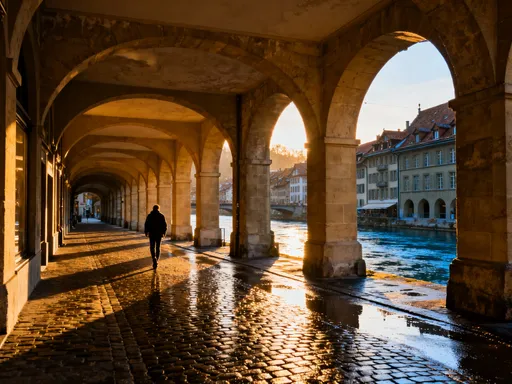
One of the most powerful experiences in Jerusalem is breaking bread in the Old City, where narrow alleyways lead to hidden eateries carved into ancient stone. In these intimate spaces, differences in language and background often fade. A traveler from Japan might find herself laughing with a local guide over a plate of grilled kofta. Two women from different neighborhoods might bond over their love of stuffed zucchini. These moments do not erase the city’s complexities, but they offer glimpses of common ground—places where food becomes a bridge rather than a barrier.
The connection between spirituality and nourishment runs deep in Jerusalem. Meals are often tied to religious observance—Shabbat dinners on Friday evenings, Iftar during Ramadan, Easter feasts in Armenian homes. These gatherings are not only about food but about continuity, family, and faith. Even for those who do not observe, there is something moving about sitting in a courtyard as the call to prayer echoes from a nearby minaret while the scent of roasting lamb fills the air. In these moments, the city feels both ancient and alive, sacred and deeply human.
From Home Kitchens to Hidden Courtyards
While restaurants and markets offer rich culinary experiences, some of the most meaningful meals in Jerusalem happen in private spaces—home kitchens, rooftop terraces, and courtyard dining rooms tucked behind unmarked doors. These intimate settings provide a rare window into the city’s domestic life, where food is prepared with care, shared with generosity, and steeped in personal history.
In East Jerusalem, a growing number of families welcome visitors into their homes for shared dinners and cooking classes. These experiences go beyond tourism; they are acts of hospitality rooted in tradition. One evening might begin with a lesson in rolling grape leaves—wrapping tender vine leaves around a filling of rice, herbs, and sometimes ground meat. A grandmother might demonstrate the technique passed down from her mother, while her granddaughter translates and adds her own modern twist. Another session could focus on kneading dough for shrak, a thin flatbread cooked over a domed griddle, its surface bubbling and browning in minutes.
These gatherings are not performances but real moments of connection. As guests chop vegetables, stir pots, and set the table, conversations flow naturally—about family, childhood memories, favorite recipes, and daily life in Jerusalem. There is no script, no stage. What emerges is something far more valuable: mutual understanding built through shared effort and shared meals. The food, of course, is exceptional—flavors that cannot be replicated in a restaurant, because they are tied to place, people, and emotion.
Similarly, courtyard restaurants in restored Ottoman-era houses offer a unique blend of history and hospitality. Tucked within the Armenian or Muslim Quarters, these spaces feature arched doorways, stone floors, and climbing jasmine. Diners sit on low cushions or wooden chairs, sipping mint tea while waiting for dishes like maqluba (an upside-down rice and vegetable casserole) or musakhan (roast chicken with sumac and onions on flatbread). The pace is slow, the service personal. Owners often come out to greet guests, offering recommendations or sharing stories about the building’s past. In these places, dining is not just about eating—it is about stepping into a different rhythm of life, one shaped by tradition, patience, and care.
How to Eat Like a Local: Practical Tips for the Curious Traveler
To truly experience Jerusalem’s food culture, it helps to approach it with respect, curiosity, and a few practical strategies. While the city is welcoming to visitors, the most authentic experiences often lie beyond the guidebooks and tourist menus. With a few simple tips, travelers can navigate the culinary landscape with confidence and grace.
First, timing matters. Mahane Yehuda Market is best visited in the morning, when produce is freshest and the atmosphere is lively but not overcrowded. Arrive by 9 or 10 a.m. to see vendors setting up and to catch specialties like warm bourekas—flaky pastries filled with cheese, potato, or spinach—fresh from the oven. Late afternoon and evening bring a different energy, with bars and restaurants opening for the post-work crowd. If you want to experience The Shuk at night, aim for Thursday or Friday evenings, when the market buzzes with locals enjoying pre-Shabbat dinners.
When it comes to ordering, don’t be afraid to try dishes by name, even if pronunciation feels tricky. Most vendors appreciate the effort. Start with classics like hummus, falafel, and shakshuka, but also be open to seasonal offerings—stuffed artichokes in spring, roasted pumpkin with tahini in autumn, cold yogurt soup (ayran) in summer. If you’re unsure, ask, “What do you recommend today?” Many chefs and owners are happy to guide you.
Cash is still king in many places, especially smaller stalls and family-run eateries. While credit cards are accepted in larger restaurants, it’s wise to carry Israeli shekels for market purchases and tips. Tipping is customary in sit-down restaurants—10 to 15 percent is standard—but not expected at market stalls or takeout counters.
Etiquette is simple but meaningful. Accept offers of tea or water when visiting a home or shop—it’s a gesture of welcome. When sharing a meal, it’s polite to try a bit of everything, especially if it’s been prepared with care. And remember, meals in Jerusalem are rarely rushed. Allow time to linger, to talk, to enjoy the moment. This is not just dining; it is hospitality in its purest form.
Beyond the Plate: The Stories Behind the Food
Every dish in Jerusalem carries a story, and behind every story is a person. Take Elias, a fifth-generation spice merchant in the Old City, whose family has sold za’atar and sumac in the same stone stall for over a century. He speaks of his grandfather walking the trade routes from Nablus, carrying sacks of herbs on his back. Today, Elias blends his spices by hand, using ratios passed down through generations. To him, each jar is not just a product but a legacy.
Then there is Leila, a young chef who left a corporate job in Tel Aviv to open a small kitchen in Silwan, dedicated to reviving Palestinian grandmother recipes. Her menu changes weekly—lentil soup with lemon and mint, chicken with olives and preserved lemons, rice with caramelized onions. She hosts weekly dinners where guests hear the stories behind each dish, often accompanied by live oud music. For Leila, cooking is a way of preserving identity and honoring the women who came before her.
And there is Miriam, a Holocaust survivor who settled in Jerusalem in the 1950s and now teaches Ashkenazi cooking to young families. Her kugel, a baked noodle pudding sweetened with raisins and cinnamon, is legendary in her neighborhood. Every Friday, her grandchildren come to help prepare Shabbat dinner, learning not just the recipe but the history behind it—the foods their ancestors ate in Eastern Europe, the way a simple dish can carry comfort across generations.
These stories are not exceptions; they are the fabric of Jerusalem’s food culture. They remind us that every meal is more than ingredients and technique—it is memory, love, and resilience served on a plate. To eat in Jerusalem is to become part of these stories, even if only for a moment.
Why Jerusalem’s Cuisine Stays With You
Long after the journey ends, the flavors of Jerusalem linger. It’s not just the taste of tahini on warm bread or the sweetness of ripe figs that stays with you—it’s the feeling of connection, the sense of having been welcomed, seen, and understood. In a city often defined by its divisions, food emerges as a quiet force of unity, a language spoken by all.
Jerusalem’s cuisine endures because it is rooted in something deeper than trend or tourism. It is tied to land, to family, to survival. Through war, displacement, and change, people have continued to cook, to share, to gather around tables. In doing so, they affirm life, continuity, and hope. To eat here is to witness that resilience firsthand.
For the traveler, the lesson is clear: to know Jerusalem, you must not only see its sites but taste its soul. Seek out the home kitchens, the hidden courtyards, the market stalls where stories are shared with every spice jar. Let food be your guide. In the act of breaking bread with others, you may find the most authentic experience of all—a moment of peace, presence, and human warmth in one of the world’s most complex cities. That is the true flavor of Jerusalem.