Taste of the Wild: How Marseille’s Natural Heart Fuels Its Best Flavors
Ever tasted food that feels alive? In Marseille, the wild hills, sea breezes, and sun-drenched markets shape a cuisine you can’t replicate anywhere else. I didn’t expect my taste buds to be this awakened by nature itself. From rocky coastal trails to hidden village tables, the land doesn’t just feed the people—it defines their plates. This is more than a food trip; it’s a sensory journey through France’s most untamed coastal soul. Here, every bite tells a story of sun-baked soil, salt-kissed air, and generations of stewardship that honor the rhythm of the seasons. Marseille’s culinary magic isn’t crafted in isolation—it’s grown, gathered, and guided by the wild.
The Wild Flavors of Southern Exposure
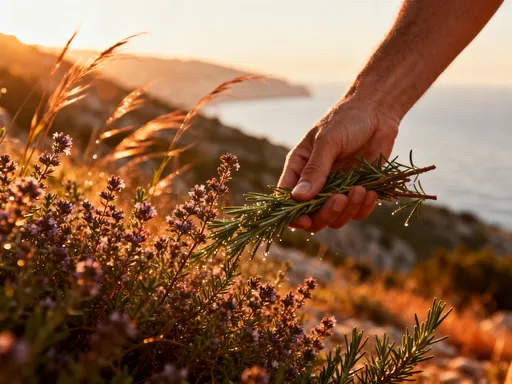
Marseille’s climate is a quiet architect of flavor. With over 300 days of sunshine a year, the region basks in a Mediterranean rhythm—hot, dry summers followed by gentle, rain-softened winters. This pattern doesn’t just invite beachgoers; it shapes the very essence of what grows in the hills surrounding the city. Wild herbs like thyme, rosemary, oregano, and bay leaf flourish in the rocky, limestone-rich soil, their roots gripping tight to sun-drenched slopes. These aren’t the tame versions found in supermarket packets. Harvested from the wild or grown in small organic plots, they carry a concentrated intensity—aromatic, earthy, slightly bitter—that speaks of survival and resilience.
The concept of terroir—long associated with wine—is equally powerful in Marseille’s herb culture. Just as grapes absorb the minerals of their soil, wild herbs develop unique flavor profiles based on microclimates, altitude, and exposure to sea winds. A sprig of thyme picked from a cliffside in the Calanques will taste different from one gathered in the sheltered valleys of Garlaban. Chefs and home cooks alike prize these nuances, knowing that a few crushed leaves can elevate a simple stew or fish dish into something deeply evocative. In traditional Provençal cooking, these herbs aren’t mere seasonings; they are the soul of the dish.
Sustainability is woven into this tradition. In Calanques National Park, foraging is regulated to protect native plant populations. Local foragers follow seasonal cycles, taking only what is abundant and leaving roots intact. Some work with certified organic farms that mimic wild growing conditions, using dry farming techniques and natural pest control. This respect for balance ensures that future generations will still taste the true essence of the region. The result? Herbs with deeper, more complex flavors than their cultivated counterparts—proof that stress, in nature, often leads to richness.
One such example is wild fennel, which grows in abundance along coastal paths. Its feathery fronds and tiny yellow flowers carry a delicate anise note, used fresh in salads or dried for soups. Fishermen often stuff it into the cavity of grilled sea bream, allowing the aromatic oils to infuse the flesh. Similarly, bay leaves harvested from native laurel trees are slower-growing and more aromatic than commercial varieties, prized for their ability to deepen the flavor of slow-cooked dishes like daube, a Provençal beef stew. These ingredients are not luxuries—they are everyday essentials, deeply embedded in the rhythm of Marseille’s kitchen life.
From Sea to Table: The Calanques’ Living Pantry
The Calanques, a dramatic stretch of limestone cliffs and turquoise inlets east of Marseille, are more than a natural wonder—they are a living larder. This national park, protected since 2012, is home to a rich marine ecosystem that supports a centuries-old fishing tradition. Local fishermen, many of them third- or fourth-generation, use small boats and traditional methods to harvest the sea’s bounty. Nets are cast at dawn, lines are checked by hand, and traps are placed with care to avoid damaging the fragile seabed. The result is seafood of extraordinary freshness and flavor, delivered directly to markets and restaurants within hours of being caught.
At the heart of Marseille’s seafood identity is the rascasse, a spiny, ugly little fish that forms the base of bouillabaisse, the city’s most iconic dish. This bottom-dweller thrives in the rocky crevices of the Calanques, feeding on crustaceans and small fish, which gives its flesh a rich, iodine-laced depth. Because it doesn’t travel well, rascasse is rarely found outside the region—making bouillabaisse a truly local experience. Other treasures include sea urchins, their golden roe bursting with briny sweetness, and octopus, tenderized by the rhythm of the waves and cooked slowly with herbs and tomatoes.
At the Quai des Belges fish market, just steps from the Old Port, the morning catch is laid out on ice in neat rows. Chefs from across the city arrive early to select their ingredients, inspecting the clarity of the eyes, the firmness of the flesh, the scent of the sea. It’s a ritual of trust and expertise. One fisher, Jean-Claude, explains that the mineral content of the water in the Calanques—rich in calcium and magnesium—contributes to the firm texture and clean taste of the fish. “The sea here is alive,” he says. “You can taste the difference.”
Fishing in the Calanques is tightly regulated. No trawling is allowed within the park boundaries, and certain zones are closed seasonally to allow fish populations to regenerate. These rules, while sometimes challenging for fishermen, are widely supported as necessary for long-term survival. Many now participate in monitoring programs, sharing data with marine biologists to ensure sustainable practices. The result is a model of coexistence—where conservation and cuisine support each other. When you eat seafood from the Calanques, you’re not just enjoying a meal; you’re participating in a legacy of respect for the sea.
Harvesting the Hills: Farm Stands and Organic Groves
Beyond the coastline, the inland hills of Marseille tell another chapter of its food story. In the Garlaban massif and the Huveaune Valley, small farms cultivate olives, figs, artichokes, and almonds using methods that honor the land. Many of these farms are certified organic, avoiding synthetic fertilizers and pesticides to preserve soil health and biodiversity. The terrain is rugged, the yields modest, but the quality is exceptional. These are not industrial operations—they are family-run enterprises, often passed down through generations, where every tree and row is tended with care.
One such farm, Domaine des Courmettes, sits high in the Huveaune Valley, surrounded by pine and olive groves. The owners, Marie and Thomas, welcome visitors to walk the orchards, taste figs still warm from the sun, and learn about dry farming—a technique that relies on natural rainfall rather than irrigation. “The stress of drought makes the fruit more concentrated,” Marie explains. “It’s not about quantity. It’s about flavor.” Their olive oil, pressed each winter from a blend of Picholine and Aglandau olives, carries a peppery finish and grassy aroma, a direct reflection of the terroir.
Agro-tourism is growing in popularity, offering city dwellers and travelers a chance to reconnect with the source of their food. On weekends, families arrive to pick artichokes, press olive oil, or gather eggs from free-range chickens. Some farms host seasonal festivals—fig harvests in late summer, olive presses in December—where visitors can participate in the work and share in the meal. These experiences go beyond entertainment; they foster a deeper appreciation for seasonal rhythms and the labor behind every bite.
The benefits extend beyond the plate. By supporting small farms, consumers help preserve open landscapes that might otherwise be lost to development. These farms also provide habitat for pollinators and native plants, contributing to regional biodiversity. In a world of anonymous supply chains, Marseille’s hillside farms offer transparency and trust. When you buy a jar of local honey or a basket of sun-ripened tomatoes, you’re not just feeding your family—you’re supporting a way of life.
Markets as Living Landscapes: Where Nature Meets the Plate
No visit to Marseille is complete without a morning spent in its markets. More than shopping destinations, places like Marché des Capucins and Marché de Noailles are living extensions of the region’s agricultural heart. They pulse with color, scent, and sound—pyramids of heirloom tomatoes in every shade of red and gold, baskets of wild mushrooms still dusted with forest soil, garlands of purple garlic from Lautrec, and jars of honey streaked with flecks of propolis. Vendors call out greetings, offer samples, and share stories about where their produce was grown.
These markets are where the journey from land to table becomes visible. A tomato isn’t just a tomato—it’s a “Cœur de Bœuf from Istres, ripened on the vine, watered by Mistral winds.” A bunch of basil is “harvested yesterday from a plot near Carry-le-Rouet, where the sea air gives it extra fragrance.” Such details matter. They connect the eater to the earth, to the seasons, to the people who grow the food. For travelers, navigating these markets is both a sensory delight and an education in authenticity.
To shop like a local, arrive early—between 7:00 and 9:00 a.m.—when the best produce is still available. Look for signs of freshness: firm stems, vibrant colors, a natural sheen. Don’t hesitate to ask questions. Most vendors are proud of their products and happy to explain how they were grown. “Is this organic?” “Where did these olives come from?” “What do you recommend for a simple salad?” These conversations build trust and often lead to unexpected discoveries—like a small-batch olive oil infused with wild thyme, or a rare variety of peach known only to a few orchards.
The markets also reflect Marseille’s cultural diversity. North African influences are strong, with stalls selling preserved lemons, harissa, and couscous. Yet even these ingredients are often locally sourced—dates from southern France, spices blended in the city’s own ateliers. This fusion is not imitation; it’s integration, a testament to how Marseille absorbs and transforms. The result is a culinary identity that is both rooted and evolving, traditional and inclusive.
Cooking with the Land: Traditional Recipes, Modern Twists
In Marseille’s kitchens, the ingredients tell the story. Chefs, whether in Michelin-starred restaurants or family-run bistros, are increasingly turning to hyper-local sourcing, crafting dishes that mirror the landscape. At La Table du Fort, a restaurant nestled in the Calanques, the menu changes daily based on what’s available. One evening might feature grilled sardines with a crust of crushed wild fennel pollen and sea salt, served with a salad of bitter greens foraged from nearby cliffs. Another might offer a slow-braised lamb shoulder, rubbed with rosemary and garlic from the hills, served with roasted artichokes and olives from a nearby grove.
The philosophy is simple: let the ingredients shine. Minimal processing, no masking flavors with heavy sauces or excessive seasoning. A dish of steamed mussels might be cooked in white wine, garlic, and a sprig of thyme—nothing more. The goal is not complexity, but clarity. When the ingredients are this good, they don’t need embellishment. This approach extends to home cooking as well. Many families follow a seasonal rhythm, preserving summer tomatoes in jars, drying figs in the sun, and making confit of duck or pork during the cooler months.
One classic recipe that embodies this ethos is aioli. More than a sauce, it’s a full meal—called “le grand aioli”—featuring boiled vegetables (carrots, green beans, potatoes), salt cod, and hard-boiled eggs, all served with a generous dollop of garlic-infused olive oil. The key is in the quality of the oil and the freshness of the garlic. When made with local ingredients, the aioli is creamy, pungent, and deeply satisfying—a celebration of simplicity.
Modern chefs are also reinterpreting tradition. At Le Mirabeau, a contemporary bistro in the Cours Julien, the chef serves a deconstructed bouillabaisse—separate elements of fish broth, saffron crouton, and poached rascasse—allowing diners to experience each component. Yet even in these innovative presentations, the respect for origin remains. The saffron is sourced from a cooperative in nearby Gordes, the fish from the Calanques, the bread from a wood-fired oven using stone-ground flour. Innovation, in Marseille, does not mean departure—it means deeper connection.
Walking the Flavors: Hiking Trails That Lead to Great Meals
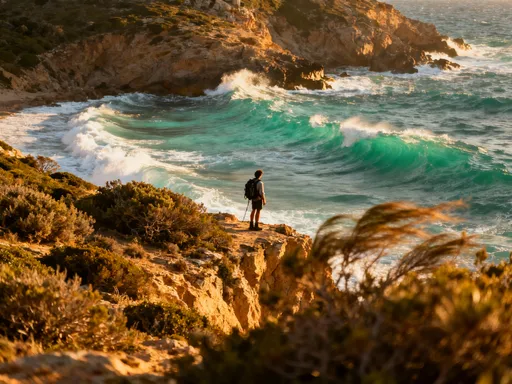
In Marseille, the best meals often follow a good walk. The region’s network of hiking trails—over 140 kilometers within Calanques National Park alone—offers more than scenic views. It provides a physical and sensory journey that enhances the appreciation of food. After hours of walking along coastal cliffs, breathing in the scent of wild herbs and salt air, a simple meal tastes extraordinary. The body craves nourishment, and the flavors feel more vivid, more earned.
One popular route begins at Callelongue and winds through the Calanque de Sormiou, ending at a small auberge perched above the water. Hikers, flushed from the climb, are greeted with chilled rosé, a platter of local charcuterie, and a bowl of soupe de poissons—a lighter cousin to bouillabaisse. The fish is caught that morning, the bread is crusty and warm, the olive oil green and peppery. Every bite feels like a reward.
Another trail leads up to Notre-Dame de la Garde, the iconic basilica overlooking the city. The path is steep, but the view from the top is unmatched—Marseille spread out below, the Mediterranean shimmering in the distance. At the base of the hill, a family-run café serves pissaladière, a savory onion tart topped with anchovies and black olives, and slices of tarte aux pommes made with local apples. It’s humble food, but deeply satisfying after the climb.
These food stops are not commercialized chains. They are family-run, often seasonal, and deeply connected to the land. Many use ingredients from their own gardens or nearby farms. Some offer wine from small Provençal vineyards, known for their crisp whites and delicate rosés. The experience is slow, unhurried—a contrast to the fast-paced dining of city centers. It invites conversation, rest, and reflection. In a world that often feels rushed, these moments of pause are a gift.
Why This Matters: The Future of Nature-Driven Cuisine
Marseille’s culinary culture offers more than delicious meals—it offers a model for the future. At a time when industrial agriculture, climate change, and biodiversity loss threaten global food systems, the city’s approach—rooted in local ecosystems, seasonal cycles, and sustainable practices—stands as a powerful alternative. Here, nature is not a backdrop; it is the foundation. Protected landscapes like the Calanques are not just scenic reserves; they are active contributors to food security and cultural identity.
This model is replicable. Around the world, communities are rediscovering the value of local terroir, whether in the hills of Tuscany, the fjords of Norway, or the valleys of California. By protecting natural areas and supporting small-scale producers, regions can build resilient food systems that are both environmentally sound and culturally rich. Marseille shows that conservation and cuisine are not separate goals—they are intertwined.
For travelers, this means more than sightseeing. It means engaging with a place through its flavors, understanding how geography shapes taste, and supporting practices that honor the earth. Every meal becomes an act of stewardship. When you choose a restaurant that sources from local fishermen, when you buy tomatoes from a hillside farm, when you hike a trail that ends in a village café—you are voting for a world where food is connected, meaningful, and alive.
The journey through Marseille’s wild heart ends not with a checklist of sights, but with a deeper awareness. It’s the understanding that flavor has roots, that beauty feeds the body as much as the soul, and that the most satisfying meals are those grown from the land, shared with care, and savored with gratitude. In Marseille, nature doesn’t just inspire the plate—it is the plate.