Wild Beauty: Chasing Sunlight Through Sardinia’s Untamed Reserves
Have you ever walked where the earth feels untouched? In Sardinia, nature doesn’t whisper—it sings. Hidden beyond the tourist trails, its protected reserves burst with wild trails, crystal coves, and silence so deep it hums. I went not for luxury, but for realness—to feel wind, salt, and solitude. What I found wasn’t just scenery. It was a living, breathing wild heart. This is what protected nature can still be. In a world where so much has been shaped, smoothed, and sold, Sardinia stands apart—a Mediterranean island that has kept its soul in the soil, the sea spray, and the rugged hills that roll like ancient waves. Here, conservation is not a restriction but an invitation: to step deeper, move slower, and see what remains when we let nature lead.
Why Sardinia’s Protected Areas Are Different
Sardinia’s natural reserves are not curated gardens or manicured parks. They are wild, untamed, and proudly unapologetic in their rawness. Unlike the crowded beaches and overdeveloped coastlines of other Mediterranean destinations, Sardinia’s protected zones—such as the Parco Nazionale dell’Arcipelago di La Maddalena and the Riserva Naturale di Monte Arci—exist to preserve ecosystems in their most authentic state. These areas are not designed for mass tourism; they are designed for balance. The island’s geographic isolation has played a crucial role in safeguarding biodiversity, allowing species found nowhere else on Earth to thrive. The Sardinian donkey, the Mediterranean monk seal, and the rare Audouin’s gull all find refuge here, protected by strict environmental policies and careful management.
What sets Sardinia apart is not just the presence of wildlife, but the way these reserves integrate protection with accessibility. Visitors are welcome—but with intention. Trails are marked, not paved. Access points are limited, not eliminated. The goal is not to keep people out, but to guide them in. This philosophy is evident in how each reserve is managed. For example, in the Gulf of Orosei region, boat traffic is regulated to protect Posidonia seagrass beds, which are vital for marine life and carbon capture. Meanwhile, in the mountainous interior, grazing by native sheep is allowed under traditional practices that prevent vegetation overgrowth and reduce fire risk. These decisions reflect a deep understanding: conservation is not about freezing nature in time, but about nurturing its rhythms.
The island’s network of protected areas includes national parks, regional parks, and marine reserves, each with different levels of oversight and visitor guidelines. Yet they share a common mission: to protect while allowing meaningful human connection. This balance is rare in today’s travel landscape, where either nature is exploited or entirely off-limits. Sardinia proves there is a third way—one where people can walk through ancient woodlands, camp under star-filled skies, and swim in untouched coves, all while knowing their presence supports, rather than threatens, the environment. It is this harmony that makes Sardinia’s reserves not just beautiful, but truly transformative.
Choosing the Right Reserve for Your Pace and Passion
One of Sardinia’s greatest strengths is the diversity of its protected landscapes. From jagged coastal cliffs to rolling inland plateaus, from silent pine forests to shimmering salt flats, the island offers a reserve for every kind of traveler. The key to a fulfilling experience lies in matching your energy, interests, and comfort level with the right destination. A family seeking gentle coastal walks will have a very different ideal reserve than a solo hiker aiming to summit Sardinia’s highest peak. Understanding these differences ensures not only enjoyment but also respect for the environment.
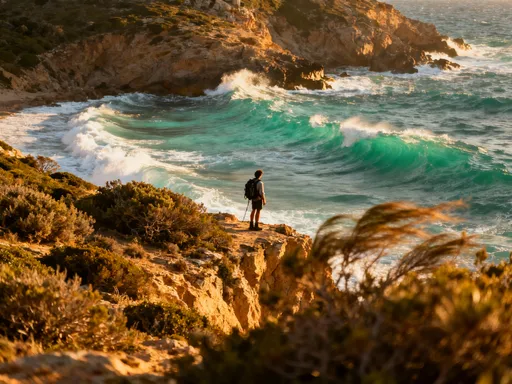
For those drawn to the sea, the marine protected areas near Capo Coda Cavallo and Tavolara offer some of the clearest waters in the Mediterranean. These zones restrict motorized boats and swimming in sensitive areas to protect seagrass meadows and coral formations. As a result, snorkelers and kayakers encounter vibrant marine life—colorful wrasses, octopuses darting between rocks, and even occasional sightings of dolphins. Trails along the coast, such as those in the Golfo di Orosei, lead to secluded beaches like Cala Goloritzé, accessible only by foot or boat. These experiences reward patience and effort, offering solitude and stunning beauty in equal measure.
For the more adventurous, Gennargentu National Park presents a different kind of challenge. Home to Punta La Marmora, the island’s highest peak at 1,834 meters, this park features alpine-like terrain, deep gorges, and ancient beech forests. Hiking trails range from moderate ridge walks to multi-day treks through remote shepherd paths. The park is also a sanctuary for the Sardinian mouflon, a wild sheep with magnificent curved horns that roam freely across the highlands. Winter brings snow to the peaks, transforming the landscape into a rare Mediterranean alpine scene—perfect for experienced hikers and nature photographers.
Meanwhile, inland reserves like Parco Regionale di Monte Arci offer a quieter, more contemplative experience. Once an active volcano, Monte Arci is now a haven for birdwatchers and botanists. Its oak and cork forests shelter rare orchids and migratory birds, while ancient obsidian quarries tell the story of prehistoric trade. These areas are ideal for travelers who value stillness and discovery over adrenaline. Whether you seek coastal drama, mountain grandeur, or quiet woodland reflection, Sardinia’s reserves offer a path that aligns with your spirit.
Getting There Without the Hassle: Transport and Timing Tips
Accessing Sardinia’s remote reserves requires thoughtful planning, but the effort is rewarded with solitude and authenticity. The island’s best-preserved areas are often far from major resorts, meaning transportation choices directly impact both convenience and environmental impact. Renting a car remains the most flexible option, especially for reaching inland parks or coastal trailheads. However, not all roads are paved, and some reserves—like parts of the Supramonte range—require a 4x4 vehicle due to rough terrain and narrow mountain paths. Travelers should verify road conditions in advance and avoid driving off designated routes to prevent erosion and habitat damage.
Ferries are essential for reaching island reserves such as La Maddalena Archipelago and Asinara National Park. These services operate from ports like Palau and Stintino, with schedules varying by season. Summer brings frequent departures, but also larger crowds. For a more peaceful experience, travelers are encouraged to take weekday ferries during the shoulder months. Asinara, once a quarantine station and prison island, is now a strictly managed reserve with limited daily visitor numbers. Access is only permitted through authorized tours, ensuring minimal impact on its fragile ecosystem and endangered species like the albino donkey.
Timing is equally important. July and August bring peak temperatures and tourist influx, making trails crowded and accommodations scarce. For optimal conditions, May and September are ideal. During these months, daytime temperatures range from 20°C to 26°C (68°F to 79°F), perfect for hiking and swimming. Wildflowers bloom in spring, while autumn offers clear skies and calm seas. These shoulder seasons also support local economies without overwhelming infrastructure. Additionally, visiting outside peak times allows travelers to engage more deeply with local culture—farmers markets are lively, and family-run inns have time to share stories and advice.
Before setting out, it’s essential to check the official websites or visitor centers of each reserve for updated information. Some parks require advance reservations for guided hikes or camping permits, especially in high-demand areas like Baunei. Others, such as marine reserves, may restrict access during breeding seasons for seabirds or sea turtles. Being informed ensures a smooth experience and demonstrates respect for conservation efforts. Simple preparation—like downloading offline maps, confirming ferry times, and packing extra water—can make the difference between frustration and fulfillment.
What to Pack for a Day (or Week) in the Wild
The beauty of Sardinia’s reserves lies in their authenticity, but that authenticity comes with challenges. The terrain is often rocky, the sun intense, and services minimal. Proper preparation is not just about comfort—it’s about safety and responsibility. A well-packed bag ensures you can enjoy the landscape without compromising it. For day hikes, essential items include sturdy hiking boots with ankle support, a wide-brimmed hat, polarized sunglasses, and at least two liters of water per person. Dehydration is a real risk, especially in summer, and there are few refill points in remote areas.
Protecting the environment starts with what you bring. Reef-safe sunscreen is a must for swimmers and snorkelers, as chemical sunscreens can damage coral and seagrass. Biodegradable soap should be used sparingly and only in designated areas, if at all. A reusable water bottle with a built-in filter allows travelers to refill at public fountains or approved sources, reducing plastic waste. A lightweight backpack with a rain cover protects gear from sudden weather changes—common in mountain zones where afternoon storms can roll in quickly.
For multi-day trips, additional gear becomes necessary. A GPS device or offline navigation app is highly recommended, as trail markers can be sparse and cell service unreliable. A first-aid kit, emergency whistle, and headlamp with extra batteries are basic safety items. If camping, only use designated sites within official campgrounds or agriturismos that follow eco-standards. Tents should be set up on durable surfaces, never on vegetation, and campfires are strictly prohibited in most reserves to prevent wildfires. Cooking should be done with portable stoves, and all food waste must be packed out.
Equally important is the mindset you carry. The Leave No Trace principles—plan ahead, travel on durable surfaces, dispose of waste properly, leave what you find, minimize campfire impact, respect wildlife, and be considerate of others—are not just guidelines but a philosophy. Staying on marked trails prevents soil erosion and protects delicate plant life. Avoiding shortcuts, even when tempting, preserves the integrity of the landscape. These small choices, multiplied by thousands of visitors, determine whether these reserves remain wild for generations to come.
Hidden Moments: Experiences Beyond the Postcard
The most memorable moments in Sardinia rarely come from checking off famous landmarks. They arise in quiet, unscripted instances—a heron taking flight from a salt marsh, the sound of wind through centuries-old juniper trees, or the taste of fresh pecorino offered by a shepherd tending his flock near Orgosolo. These are the experiences made possible by protection. When ecosystems are allowed to function naturally, they create spaces where wonder can still happen spontaneously.
One such moment might unfold on a guided eco-tour through the wetlands of Stagno di Cagliari, a coastal lagoon that serves as a stopover for migratory birds. With a local naturalist, travelers learn to identify flamingos, avocets, and marsh harriers by sight and call. These tours, often led by conservation groups, contribute directly to habitat monitoring and education. Another unforgettable experience awaits in the Supramonte caves, where ancient rock art hints at human presence dating back thousands of years. Access is limited and requires permission, ensuring preservation while allowing respectful exploration.
For those willing to hike beyond the first viewpoint, hidden coves like Cala Mariolu or Cala Sisine offer pristine beaches with no facilities—just turquoise water, smooth stones, and the sound of waves. These places are not hidden because they are unknown, but because reaching them requires effort. That effort filters out casual visitors and protects the space. Similarly, dawn walks along the dunes of Porto Pino reveal tracks of wild boar and foxes, remnants of a nocturnal world that retreats with the sun.
Slowing down is the real key to discovery. A traveler who sits quietly by a mountain stream may witness a golden eagle circling above, or hear the soft bleating of mouflon in the distance. These moments cannot be scheduled, but they can be invited. By leaving behind the checklist mentality and embracing presence, visitors open themselves to the deeper gifts of the wild: peace, perspective, and a renewed sense of connection to the natural world.
The Human Touch: How Locals Keep the Wild Alive
Conservation in Sardinia is not imposed from the outside—it grows from within. Local communities have lived in harmony with the land for generations, and their traditions are now integral to modern protection efforts. Shepherds who graze sheep across the highlands do more than maintain a way of life—they help prevent wildfires by naturally clearing dry vegetation. Fishermen who operate within marine reserves follow strict quotas and seasonal closures, ensuring fish populations remain healthy. These practices, passed down through families, are now supported by scientific research and policy.
Many families run agriturismos—working farms that host guests—offering not just lodging but a window into sustainable living. Meals are made from garden-grown vegetables, free-range eggs, and locally sourced cheese. Guests participate in daily rhythms: helping with harvests, learning to make bread in wood-fired ovens, or walking with shepherds to the pastures. These experiences foster deep appreciation for the land and generate income that supports conservation.
Cooperatives play a growing role as well. In the Barbagia region, local groups manage reforestation projects using native tree species. In coastal towns, fishing cooperatives patrol marine zones to prevent illegal netting and monitor water quality. These efforts are often funded by eco-tourism revenue, creating a virtuous cycle: visitors support conservation, which in turn protects the beauty that draws visitors. When travelers choose family-run inns, buy handmade crafts, or join local-led tours, they become active participants in this cycle.
This cultural commitment extends to education. Schools in rural areas teach children about native species, traditional farming, and the importance of clean water. Festivals celebrate seasonal changes with music, food, and rituals that honor the land. This deep-rooted respect ensures that conservation is not seen as a burden, but as a source of pride. Travelers who engage with these communities don’t just see Sardinia—they understand it.
Leaving Lightly: How Travelers Can Respect and Protect
The future of Sardinia’s wild places depends on how we visit them. Every footstep, every choice, leaves a mark—visible or not. The goal is not to eliminate impact, which is impossible, but to minimize it with awareness and care. This begins with simple, everyday decisions. Avoid single-use plastics by carrying reusable containers, bags, and utensils. Dispose of waste properly—when trash bins are unavailable, pack it out. Never leave food scraps behind, as they can attract animals and disrupt natural feeding behaviors.
Respecting wildlife means keeping a safe and quiet distance. Do not approach nesting birds, disturb resting seals, or attempt to feed any animals. Use binoculars or zoom lenses for closer views. Avoid loud noises, which can stress animals and degrade the experience for others. If you encounter a mouflon or deer, stand still and let it pass. These creatures are not performers; they are residents.
Staying on marked trails is one of the most effective ways to protect the environment. Straying off-path may seem harmless, but it leads to soil compaction, plant damage, and the spread of invasive species. It also increases the risk of getting lost or injured, which can trigger rescue operations that disturb wildlife. When camping, use only designated areas and follow all local rules. Never carve names or symbols into trees or rocks—a practice that permanently scars the landscape.
Finally, support certified eco-tours and businesses that prioritize sustainability. Look for official eco-labels, ask about conservation partnerships, and choose operators who limit group sizes and educate guests. Your spending choices send a message: you value protection over profit. When we travel with respect, we ensure that Sardinia’s wild heart continues to beat—not just for us, but for those who will come after. The greatest legacy we can leave is not a footprint, but the absence of one. In that silence, the wild remains, singing on.